Blog
Engineering guides, KYC best practices, and product updates from the Quantilence team.
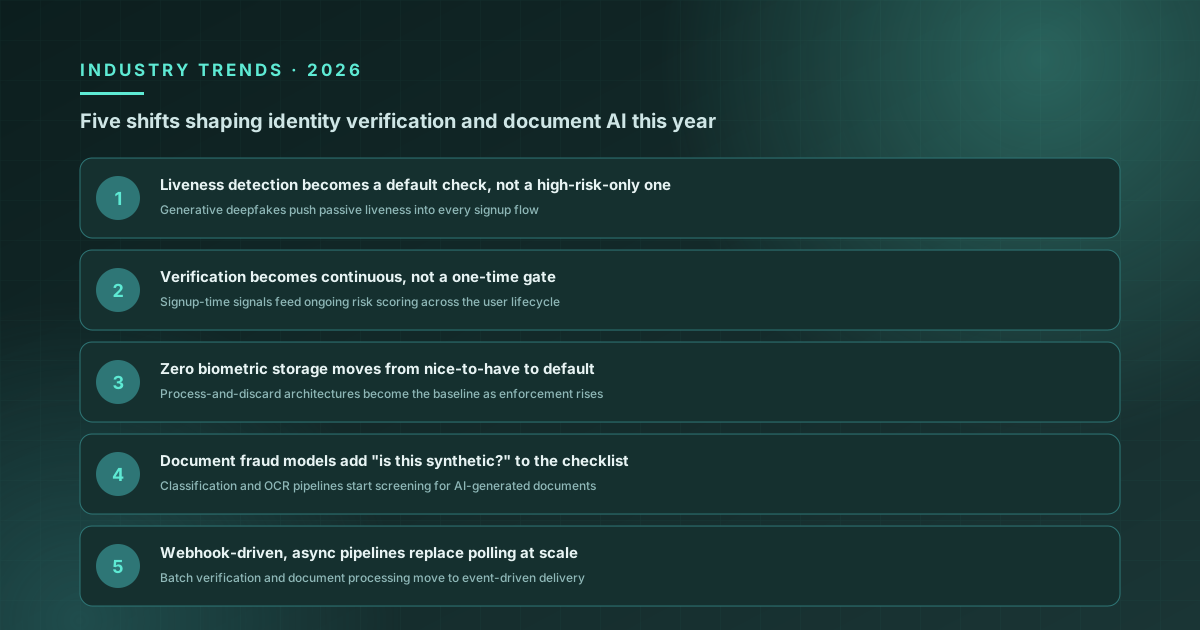
Identity Verification in 2026: Five Trends Shaping the Year Ahead
How generative AI, tightening biometric regulation, and event-driven architectures are reshaping identity verification, fraud prevention, and document processing in 2026.
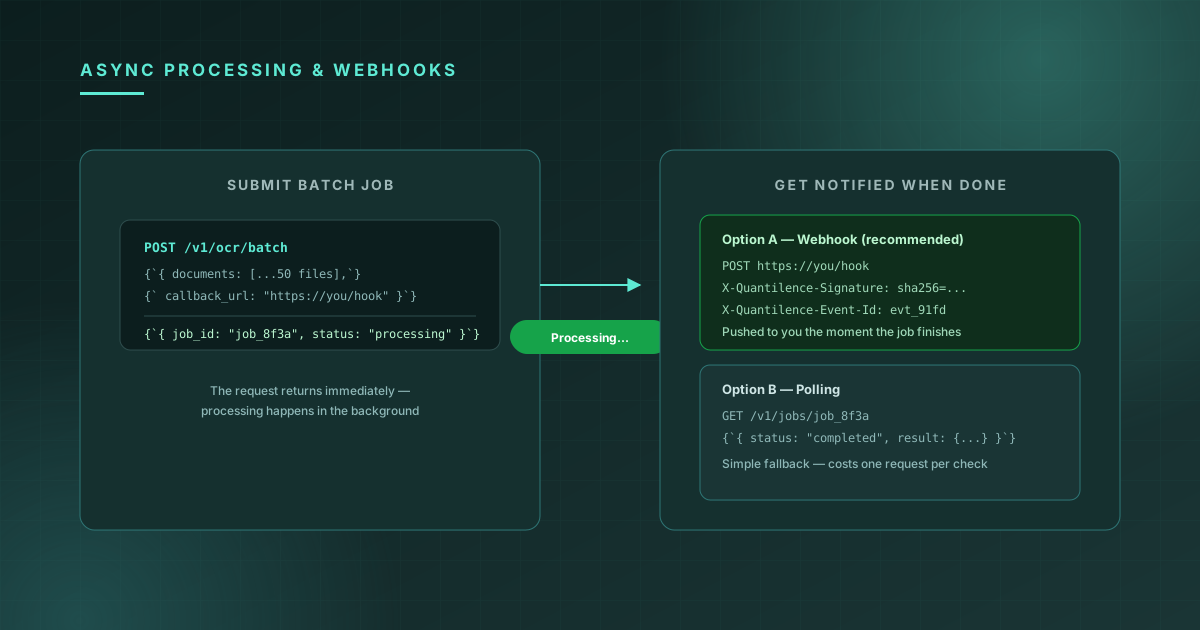
Reliable Async Processing: Webhooks, Retries, and Idempotent Handlers
How batch jobs work end to end — submitting work, receiving signed webhook callbacks, verifying them correctly, and writing handlers that survive at-least-once delivery and retries.
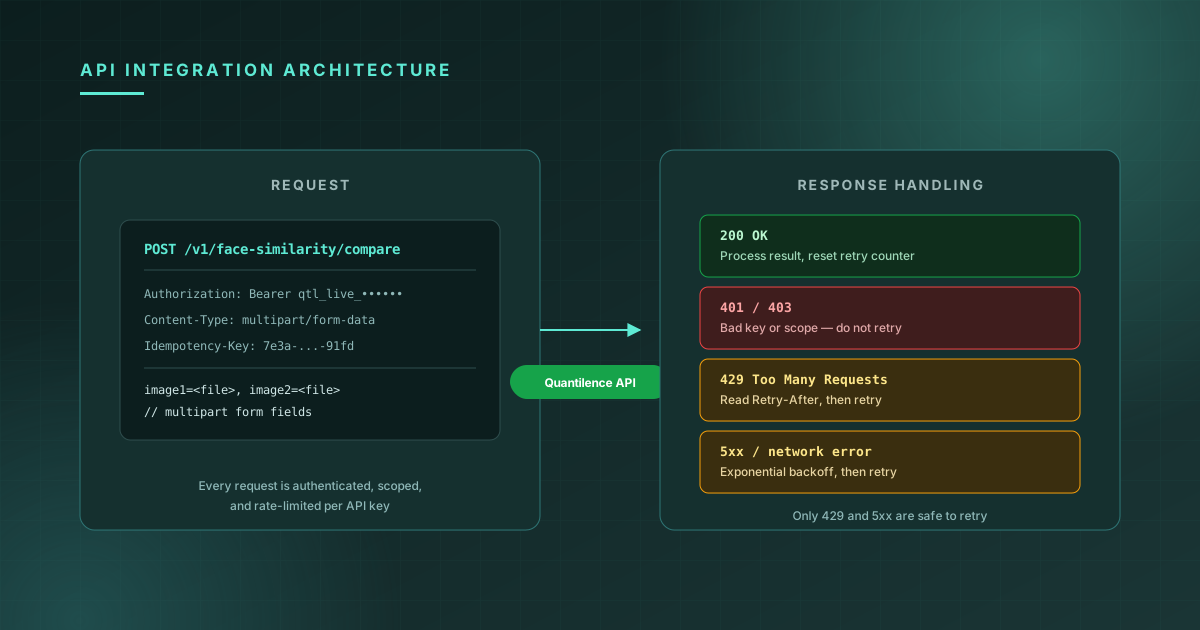
Building a Production-Ready Integration: Auth, Rate Limits, and Retries
How to structure a robust integration with the Quantilence API — authentication and scopes, rate limit tiers, idempotency keys, and a retry strategy that handles errors correctly.
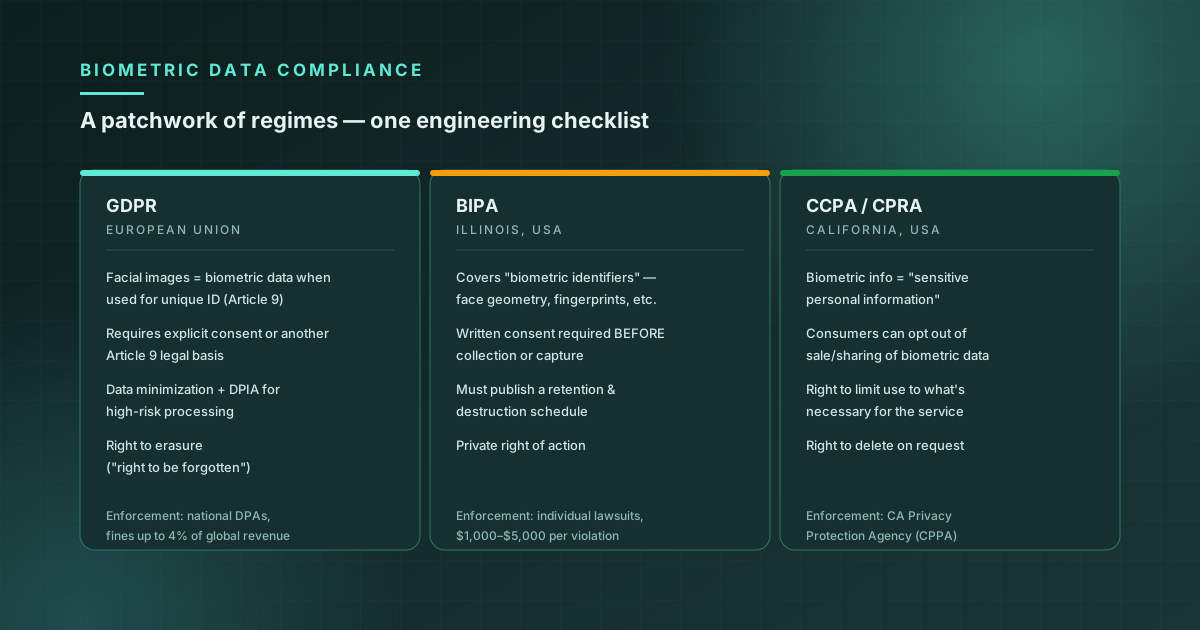
Biometric Data Compliance: GDPR, BIPA, and CCPA for Engineering Teams
A practical comparison of how GDPR, Illinois's BIPA, and California's CCPA/CPRA regulate facial and biometric data — and the one engineering checklist that satisfies all three.
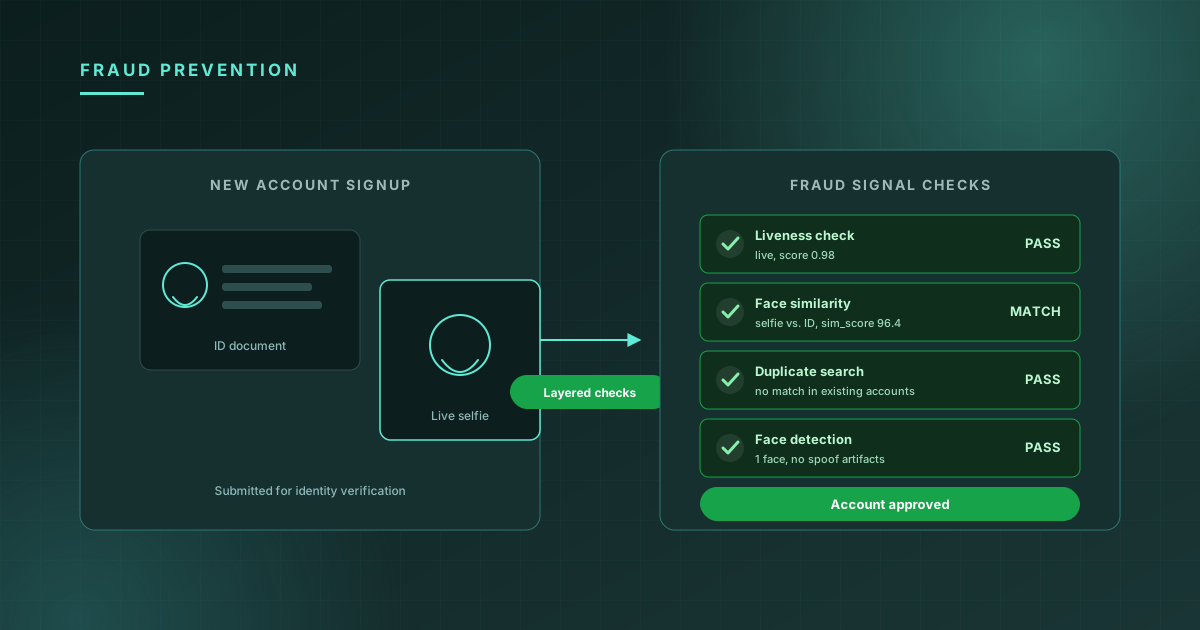
Layered Fraud Prevention: Combining Liveness, Similarity, and Recognition
Why no single face API check is enough to stop onboarding fraud, and how to combine liveness detection, face similarity, duplicate search, and face detection into one decision.
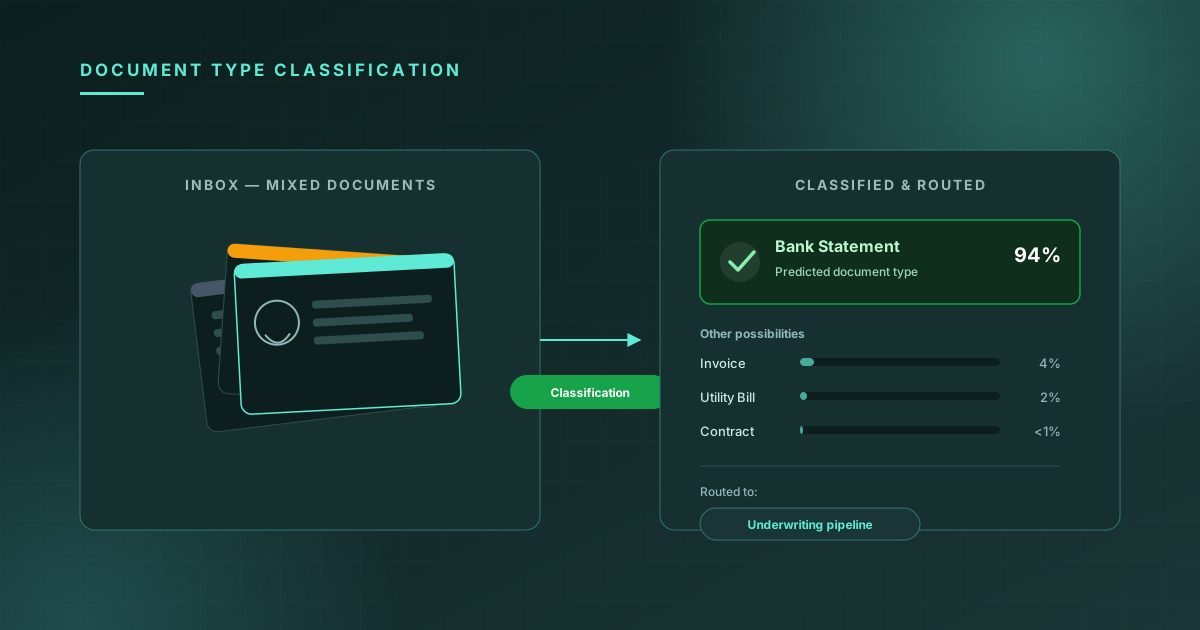
Document Classification: Routing Mixed Documents to the Right Pipeline
How automated document classification works, what confidence and alternatives mean in the response, and how to use them to route passports, invoices, statements, and contracts to the right downstream system.

Automated Face Redaction at Scale: Batch, Video, and Selective Blurring
How to blur faces across large image and video datasets, tune blur strength for irreversibility, and selectively redact bystanders while keeping consented faces visible.
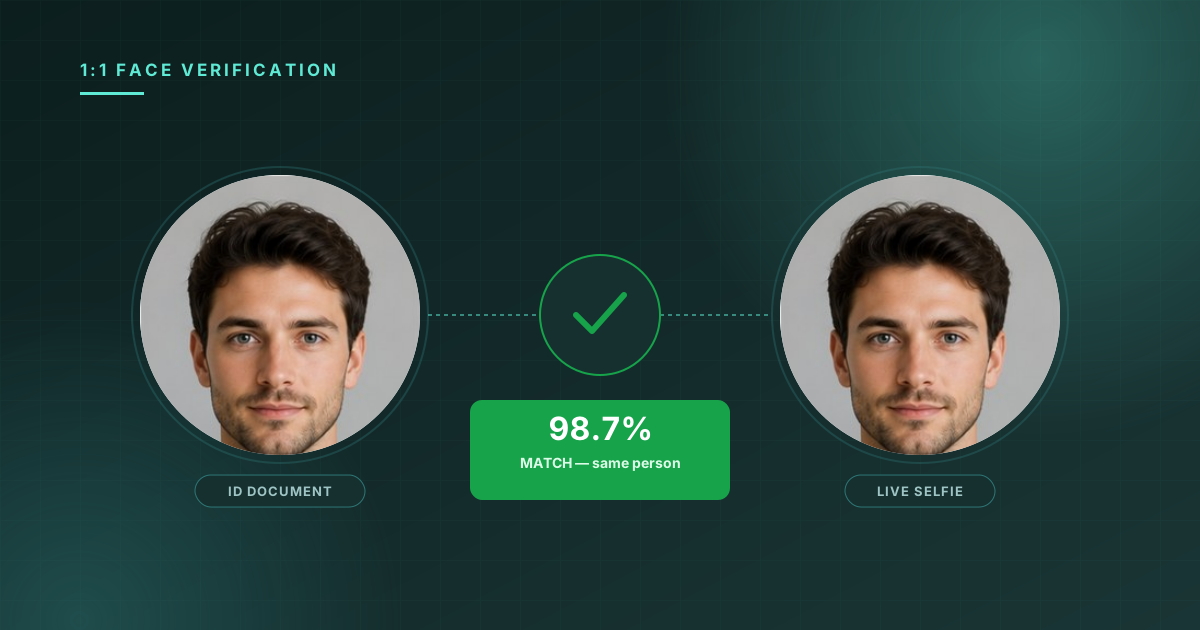
1:1 Face Matching: How Selfie-to-ID Verification Actually Works
How face similarity APIs compare a selfie to an ID photo, what a sim_score really means, and how to set thresholds that balance fraud risk against user friction.
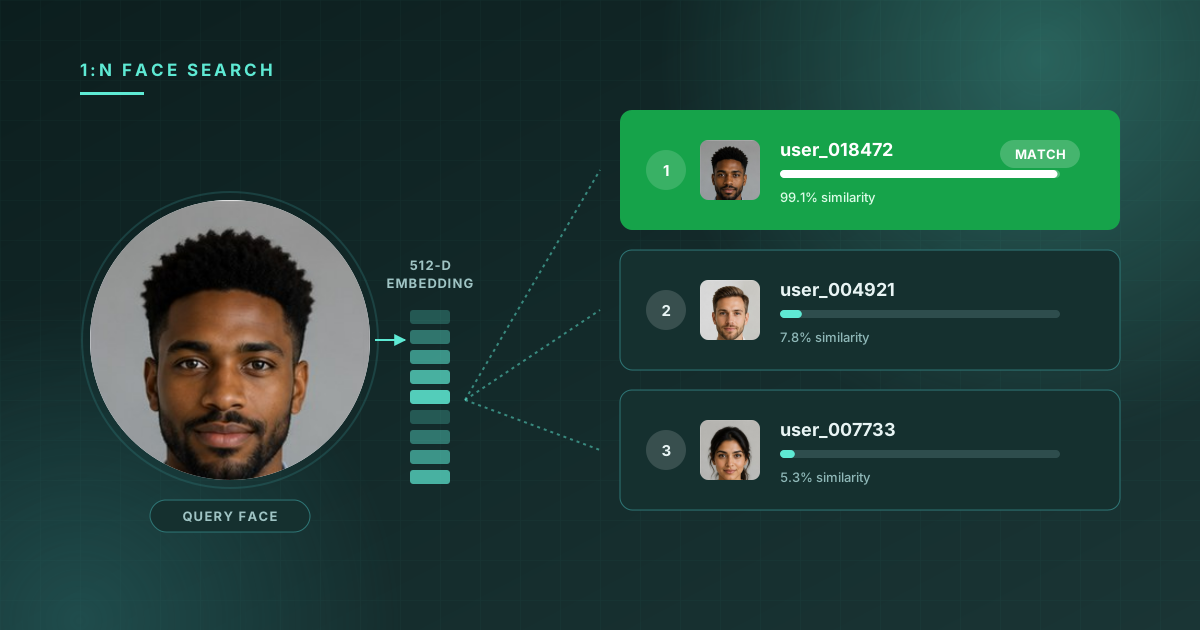
1:N Face Search at Scale: How Face Recognition Finds a Match in Millions
How 1:N face recognition pipelines turn a face into a searchable vector and rank candidate matches across millions of identities — architecture, code, and accuracy benchmarks.
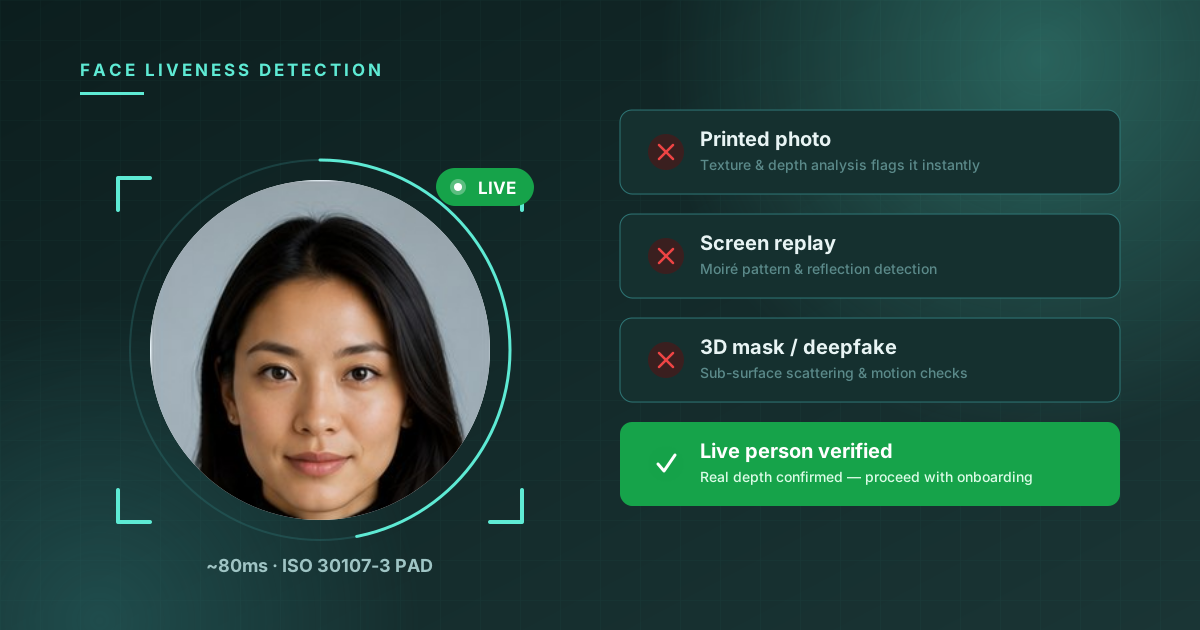
Face Liveness Detection: Stopping Spoofing Attacks Before They Start
How passive face liveness detection blocks printed photos, screen replays, 3D masks, and deepfakes — and how to add ISO/IEC 30107-3 compliant anti-spoofing to your onboarding flow.
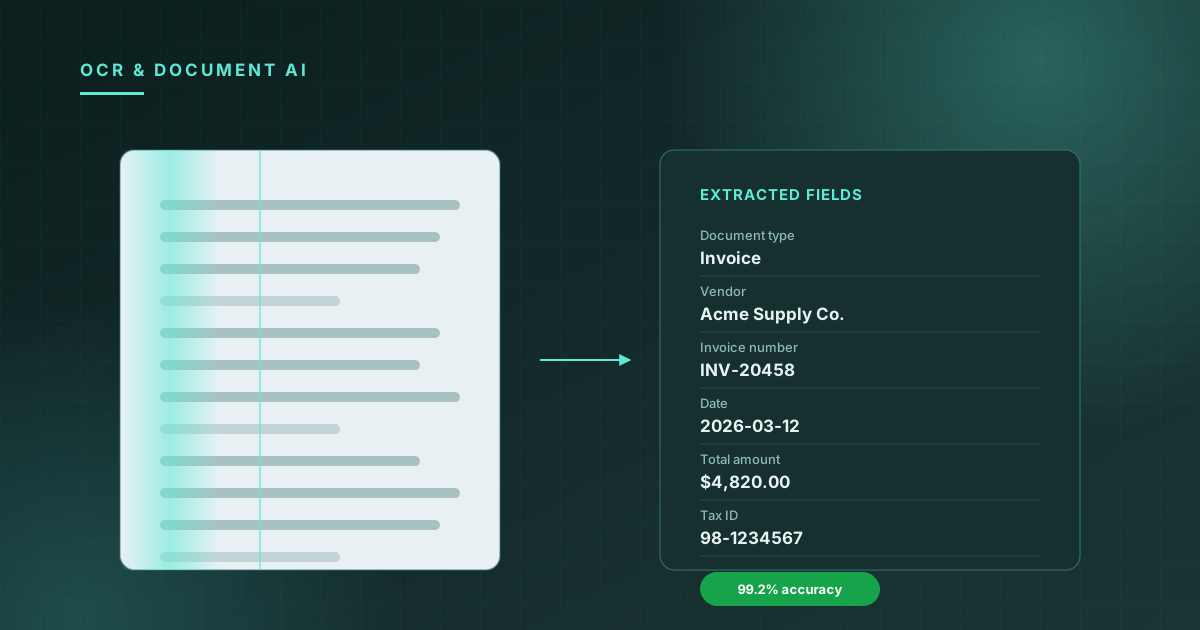
How Modern OCR Works: From Pixels to Structured Text
A technical deep-dive into how large vision models read documents, why classical OCR struggles with real-world documents, and what makes AI-powered extraction different.
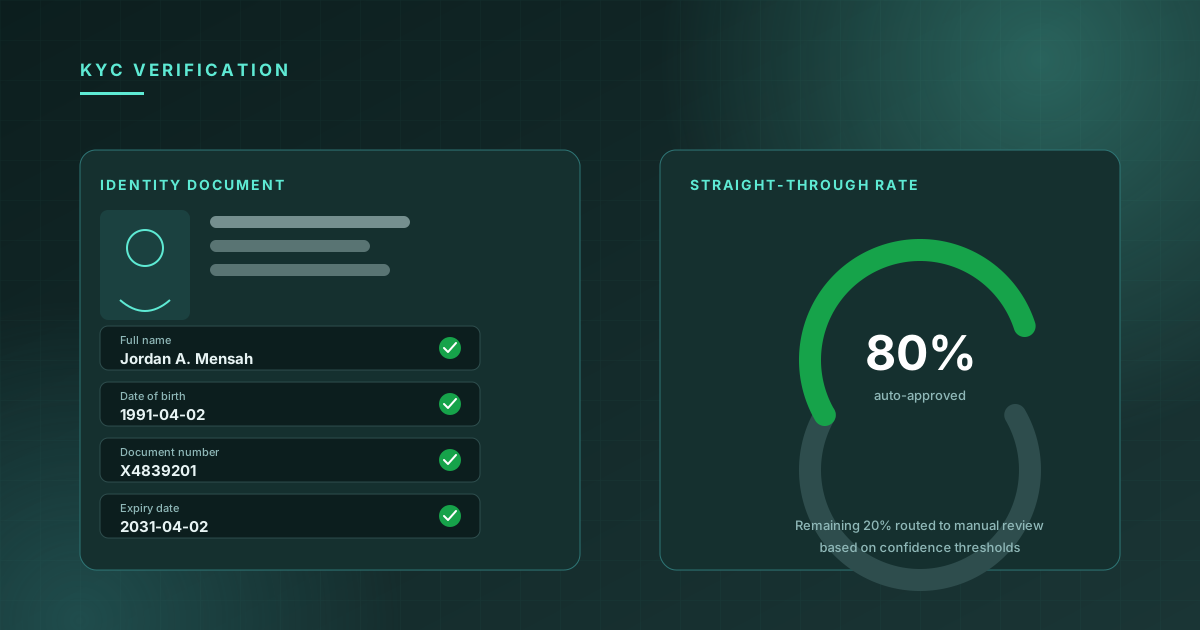
KYC OCR Best Practices: Reducing Manual Review by 80%
How to design a KYC document verification pipeline that maximizes automation rates while maintaining compliance. Covers confidence thresholds, fallback flows, and audit trails.
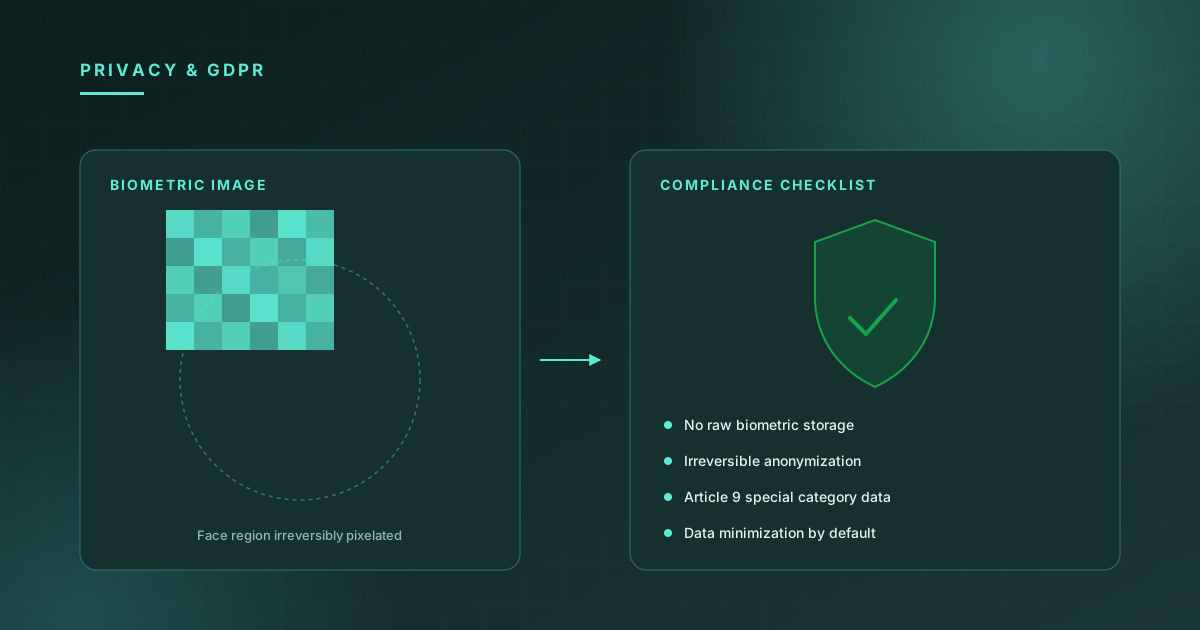
Face Anonymization and GDPR: What Engineers Need to Know
GDPR classifies facial images as biometric data. This post covers the technical and legal requirements for face anonymization in data pipelines.
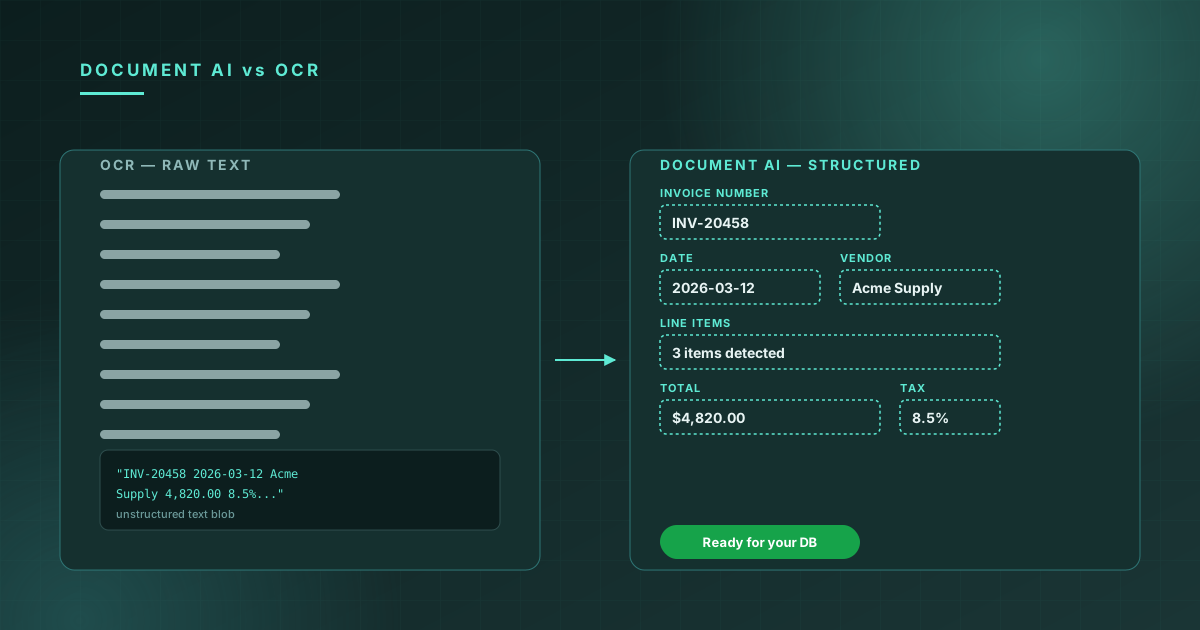
Document AI vs OCR: Choosing the Right Tool for Your Pipeline
OCR and Document AI solve different problems. This guide explains when to use each, how they complement each other, and what the accuracy tradeoffs look like.